Market and Engineering Insights

Deep dives into enterprise AI, MLOps, DevOps, and modern infrastructure.

Showing 1–10 of 88 posts

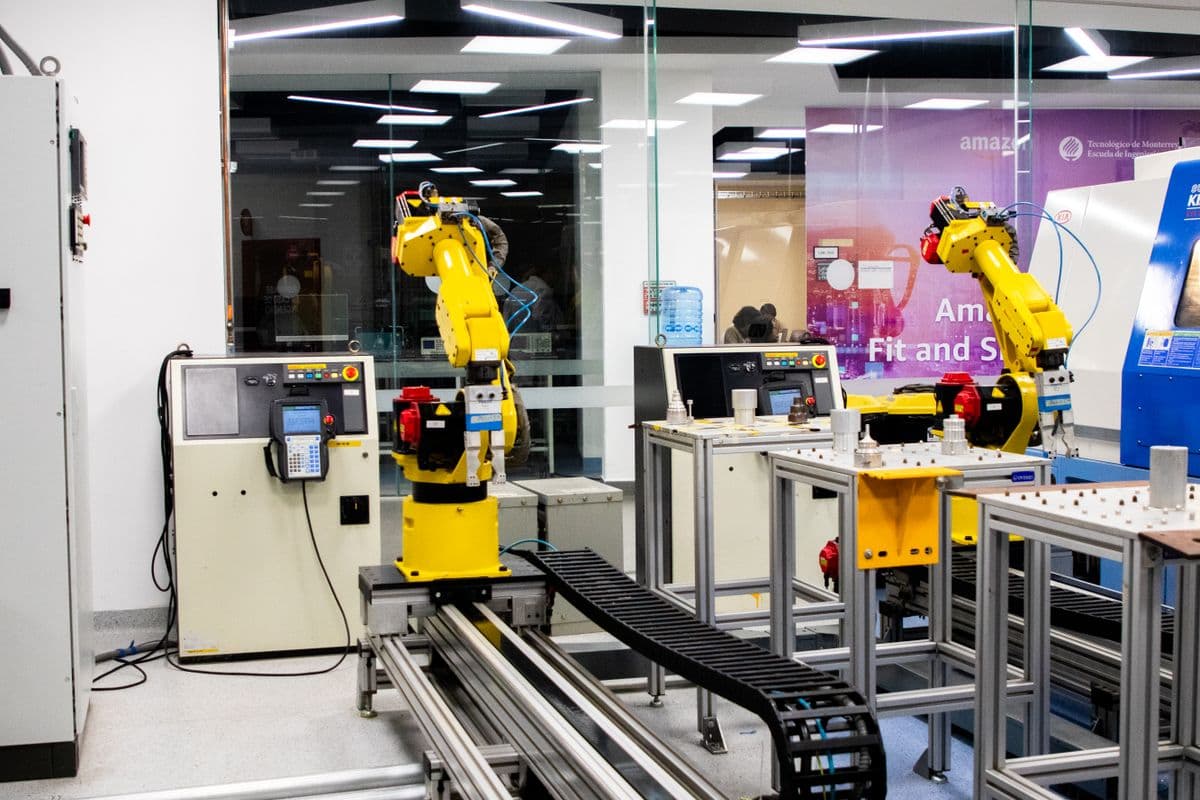
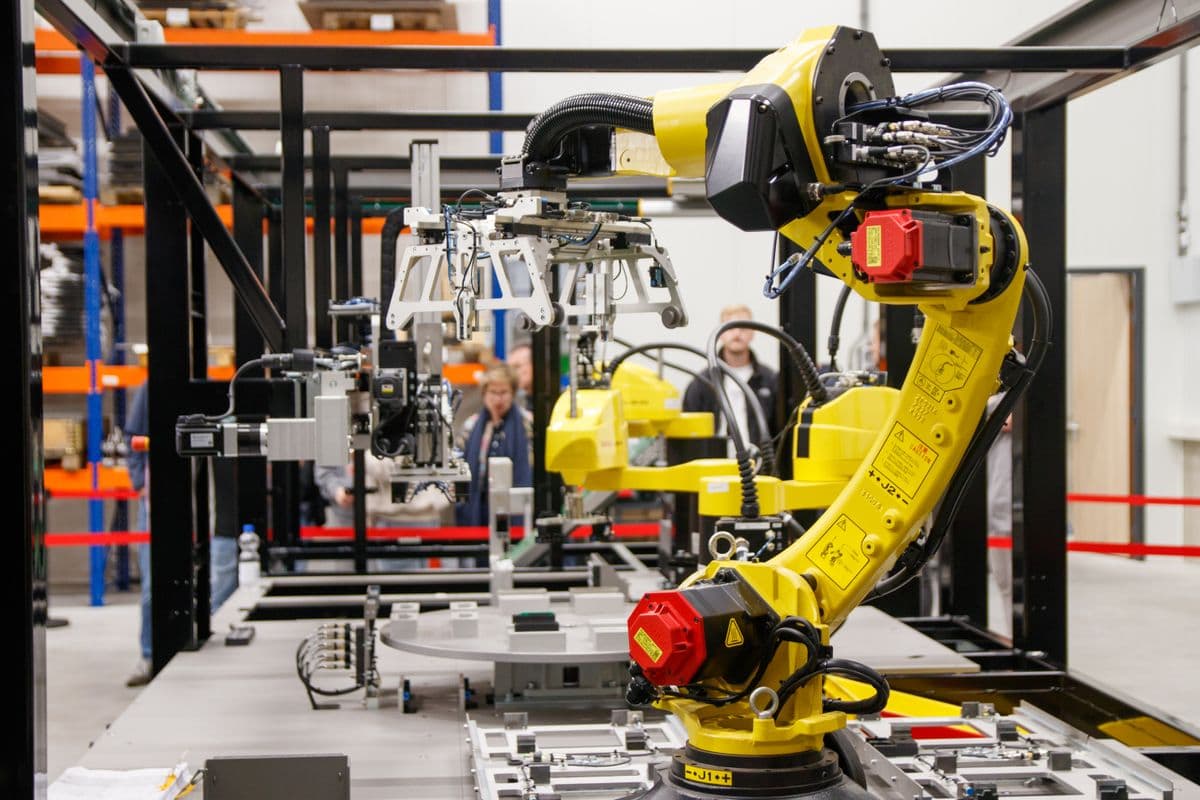
Automated robotic systems operating in a modern manufacturing facility - representing AI-powered computer vision quality control on the factory floor
AI Solutions

Computer Vision for Quality Control: How AI Is Replacing Manual Inspection on the Factory Floor

Manual visual inspection misses 10-20% of defects on high-speed production lines. AI-powered computer vision systems running at line speed achieve defect detection rates above 99% for well-defined defect classes - and unlike human inspectors, performance does not degrade on the third shift. This guide covers the deployment requirements, data infrastructure, and ROI drivers that determine whether a computer vision quality control system actually works in production.

10 min read
Engineer inspecting industrial machinery in a manufacturing plant - representing AI-powered predictive maintenance and condition monitoring
AI Solutions

Predictive Maintenance with AI: Reducing Unplanned Downtime in Industrial Operations

Unplanned equipment downtime costs manufacturers $50,000 to $250,000 per hour in lost production depending on the line. Predictive maintenance using AI-analyzed sensor data reduces unplanned downtime by 30-50% in well-deployed installations - not through perfect failure prediction, but by identifying the early warning patterns in vibration, temperature, and acoustic data that precede failure by days or weeks.

11 min read
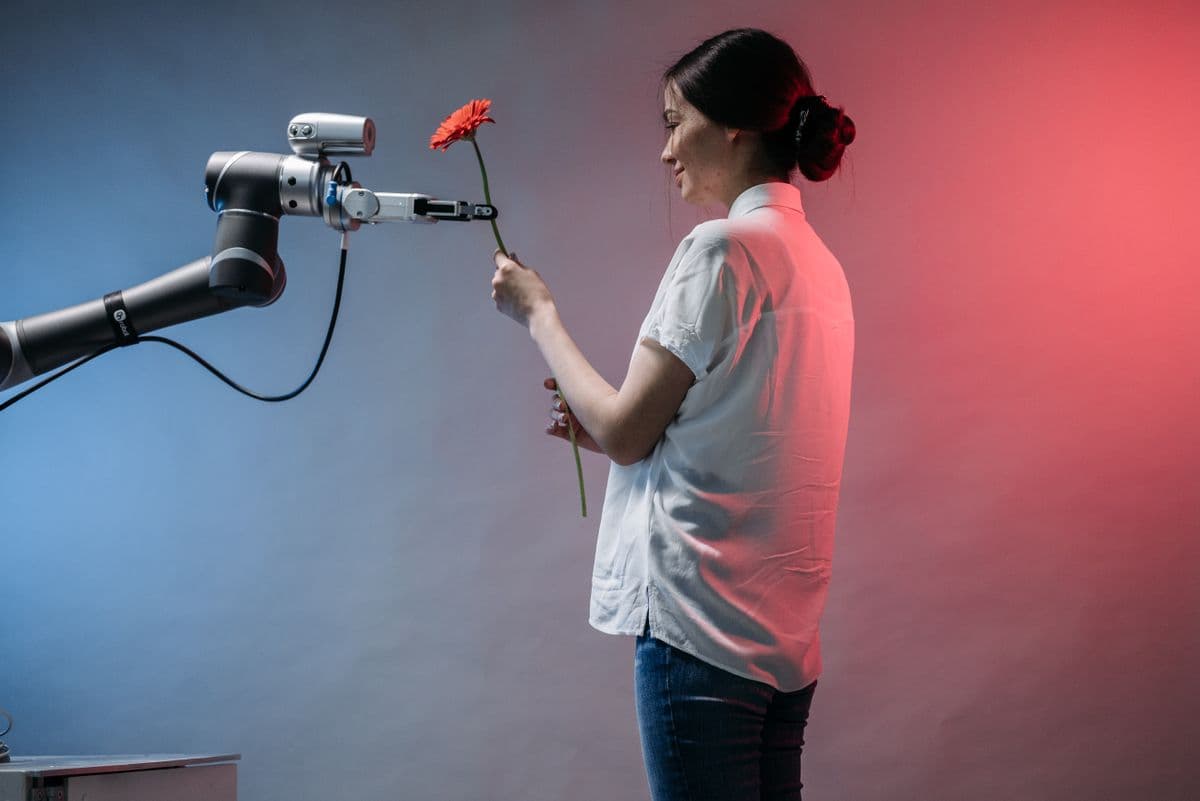
Robotic arm in laboratory demonstrating physical AI training data collection for AI robotics systems
Data Collection Service

Physical AI Training Data: What Real-World Robot Systems Actually Require

Physical AI systems from NVIDIA GR00T to Physical Intelligence pi0 share one constraint: they require training data that captures real-world contact dynamics, sensor noise, and environmental variation that simulation cannot accurately replicate.

9 min read
Robot arm learning from human expert demonstration in imitation learning training data collection session
Data Collection Service

Imitation Learning Data for Robots: From Expert Demonstrations to Deployable Policies

Behavioral cloning and imitation learning produce more data-efficient robot policies than reinforcement learning - but only when demonstration data meets strict standards for consistency, diversity, and annotation quality. Poor demonstration data produces poor policies regardless of model architecture.

10 min read
Robotics laboratory testing environment comparing simulated and real-world AI robot training conditions
Data Collection Service

The Sim-to-Real Gap: Why Real-World Data Remains Essential for AI Robotics

The sim-to-real gap is not a single problem - it is six distinct failure modes covering contact dynamics, visual domain, sensor noise, object properties, environmental complexity, and human behavior. Closing the gap requires targeted real-world data collection for each dimension.

9 min read
Depth sensor and RGB camera setup for embodied AI robot training data collection
Data Collection Service

How to Collect RGB-D Data at Scale for Embodied AI

RGB-D data collection for embodied AI is more operationally demanding than standard video collection. Sensor synchronization, calibration drift, storage volume, and annotation readiness all require deliberate engineering before collection begins.

8 min read
Operator wearing a head-mounted camera rig for egocentric video data collection workflow
Data Collection Service

Egocentric Video Acquisition Workflow: Step-by-Step Guide for Managed Programs

Egocentric video acquisition has more operational steps than any other data collection format. This guide walks through the complete workflow for managed programs - including Vietnam-based acquisition runs - so teams know what to expect and what to specify at each stage.

9 min read
Robot arm executing manipulation task for VLA model training data collection pipeline
Data Collection Service

Building a Data Pipeline for pi0, OpenVLA, and Octo

pi0, OpenVLA, and Octo have different architecture assumptions that translate into different data collection requirements. This guide covers what each model needs, where programs commonly go wrong, and how to build a collection pipeline that supports all three.

8 min read
First-person perspective camera view representing egocentric data collection for AI robotics
Data Collection Service

What Is Egocentric Data? A Guide for Robotics Teams

Egocentric data captures the world from a first-person perspective - the viewpoint a robot or AI agent will actually have during deployment. Understanding what it is and why it matters is the foundation for any embodied AI training data program.

6 min read

Let's build what's next

Share your challenge – AI, data, or infrastructure. We'll scope your project and put the right team on it.